

(non)human desires
Screenshots


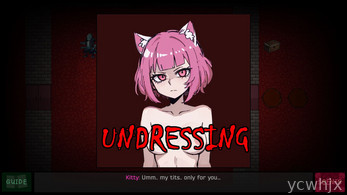
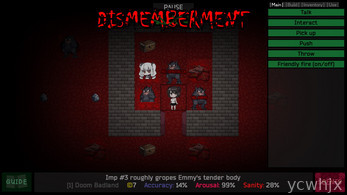

(non)human desires Game
A strange city, quiet streets, and conversations that never seem to go the way you expect. That is the mood at the heart of (non)human desires, a story-driven visual novel that leans into awkward encounters, shifting identities, and the feeling that something is just a little off. Instead of fast action, this game focuses on dialogue, choices, and atmosphere, giving you time to sit with every decision you make.
Players move through scenes by talking, choosing responses, and piecing together what kind of person they want to be in this world. The game pushes you to notice small details, listen closely to characters, and accept that not every answer will be clear. It is slow, deliberate, and built for people who enjoy narrative experiments rather than traditional gameplay loops.
(non)human desires Game Features
1. Branching narrative paths - Multiple routes let your choices shape how relationships develop and how the story resolves across different playthroughs.
2. Intimate character focus - Conversations feel personal and sometimes uncomfortable, highlighting insecurity, desire, and confusion in very human ways.
3. Surreal urban setting - A quiet, uncanny city backdrop supports the mood, mixing familiar everyday spaces with strange, dreamlike details.
4. Minimalist visual style - Clean, simple art keeps attention on expressions, framing, and text rather than flashy effects or cluttered UI.
5. Choice-driven dialogue - Frequent dialogue options let you lean into honesty, deflection, curiosity, or distance, changing how others react to you.
6. Multiple endings - Different conclusions reward replaying, experimenting with new choices, and pushing conversations in new directions.
7. Reflective pacing - Slow, steady scenes give you time to think about what characters say instead of rushing from one event to the next.
8. Accessible controls - Simple tap-based navigation and clear interface make it easy to play on a phone without complex inputs.
(non)human desires Game Pros & Cons
1. Strong emotional writing - Dialogues often feel raw and relatable, especially for players interested in identity, loneliness, and awkward social tension.
2. Distinctive atmosphere - The mix of quiet city scenes and subtle surreal elements gives the game a unique tone compared to typical mobile titles.
3. High replay value - Branching paths and multiple endings encourage several runs to see how different choices reshape the story.
4. Low hardware demands - Minimalist visuals and simple controls run smoothly on most modern Android devices without heavy resources.
5. Niche pacing - Very slow, text-heavy storytelling will not appeal to players looking for action, puzzles, or constant interaction.
6. Limited traditional gameplay - Almost everything revolves around reading and choosing responses, which can feel static to some users.
7. Mood-dependent enjoyment - The heavy, introspective tone may be draining if you are not in the right mindset for emotional stories.
(non)human desires Game Conclusion
(non)human desires suits players who like quiet, reflective visual novels that focus almost entirely on talking, thinking, and feeling rather than winning or grinding. Its strength lies in the writing, the strange but grounded setting, and the way it captures awkward human interactions without trying to tidy them up. You are not given neat answers, only opportunities to react and see what that reaction does to the people around you.
On Android, it works well as a game you can pick up in short sessions, reading a scene or two and then stepping away to think about what just happened. Those who enjoy experimental narratives, queer and identity-focused themes, and slow-burn emotional storytelling will likely find something memorable here. Players chasing fast progression or flashy battles, on the other hand, may want to look elsewhere.









No comments yet. Be the first to share your thoughts!