

After
Screenshots



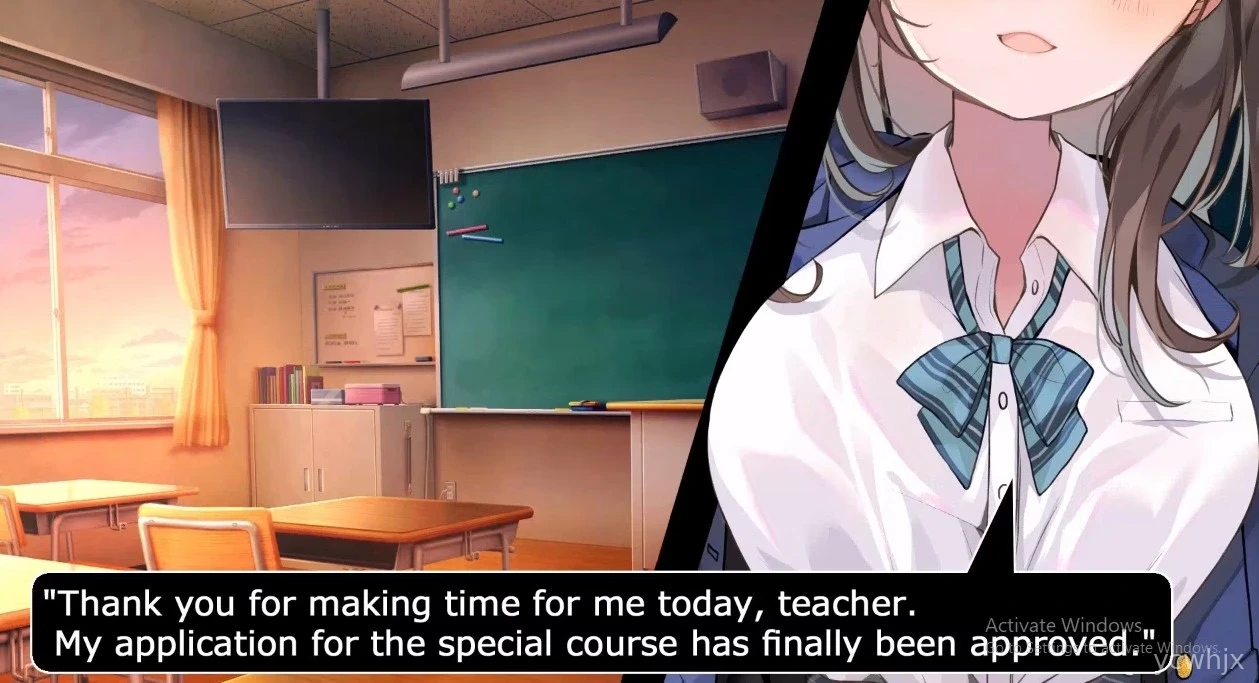

After Game
Some games are made for those quiet pockets of time at night when you want a story, but not a full-length movie. After leans into that space, giving you a narrative-driven experience you can pick up and put down without losing the thread.
Most players will treat it like an interactive short story: play a chapter on the bus, think about the choices during the day, then return later to see where the path leads. The focus stays on mood, decisions, and small details rather than fast reactions.
After Game Features
Branching story paths → Choices at key moments send the plot in different directions, encouraging multiple playthroughs to see alternate outcomes.
Atmospheric presentation → Minimalist visuals and sound work together to keep attention on the characters and the situation rather than flashy effects.
Choice-focused gameplay → Dialogue options and small decisions gradually shape relationships, tension, and how scenes resolve.
Session-friendly chapters → Short segments make it easy to complete a part of the story during breaks without feeling rushed.
Offline-friendly design → Once installed, core story content can typically be enjoyed without needing a constant internet connection.
Simple controls → Tap-based navigation and choices mean the game works comfortably on one hand, even on smaller screens.
After Game Highlights
1. Character-driven tension: The game leans on conversations and subtle shifts in tone rather than big action set pieces.
2. Replay value through routes: Seeing how a single decision changes later scenes gives a clear reason to start new runs.
3. Focused length: The story feels contained, which suits players who want closure without committing to a massive RPG.
4. Mood-first design: Lighting, color, and sound are tuned to support the narrative, creating a consistent, low-key atmosphere.
5. Low hardware demand: The relatively light visuals help it run reasonably well on older or mid-range Android phones.
6. Minimal clutter: Menus and HUD elements stay out of the way so the screen mostly shows characters and story events.
After Gameplay
Often you start a session by loading into the last scene and revisiting the most recent choice, especially if you are trying to explore different outcomes. Players usually read through dialogue, watch brief transitions, and then tap to select responses that feel right for their version of the main character.
Just following a single path from start to finish can be done in a handful of sittings, but the structure invites you to restart and take the opposite approach at key points. Sometimes that means choosing a more cautious line, other times pushing a risky option just to see how the story absorbs it.
Usually the game lets you progress at your own reading pace, with no strict time limits on dialogue choices, which helps when playing while multitasking or winding down. In practice, the only real friction can come from repeating early scenes when chasing new endings, especially for players who prefer constant novelty.
For some devices, longer sessions may warm the phone slightly, though the overall performance footprint tends to stay modest. Notifications from other apps can break the mood, so many users prefer to play with Do Not Disturb enabled.
After Conclusion
After suits Android players who like story-heavy games but do not want complex combat systems or long tutorials getting in the way. Short chapters, simple controls, and branching routes make it a good fit for commutes, evenings, or any time you want a contained narrative you can actually finish. It will appeal most to those who value choices, atmosphere, and reflection over fast-paced action.










No comments yet. Be the first to share your thoughts!