

Derealization
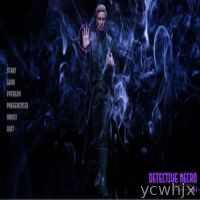
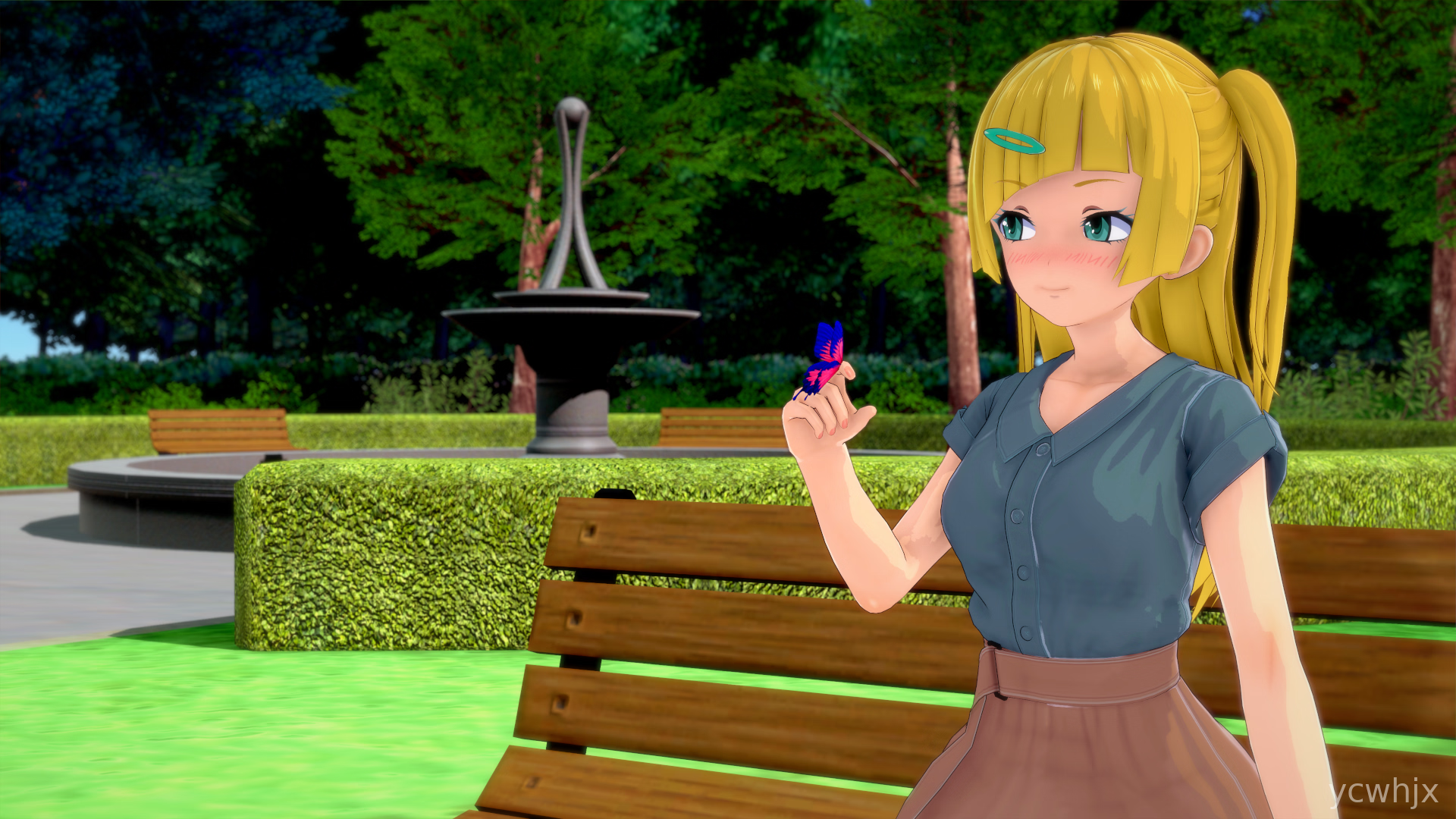
Screenshots

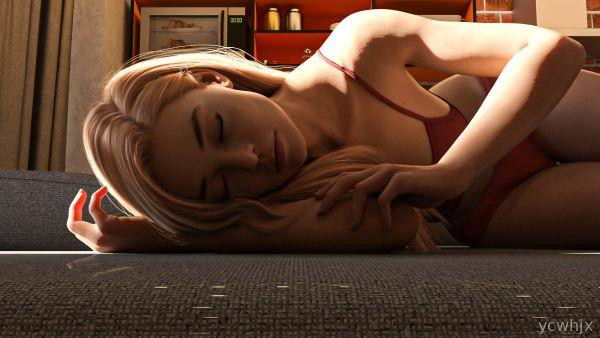
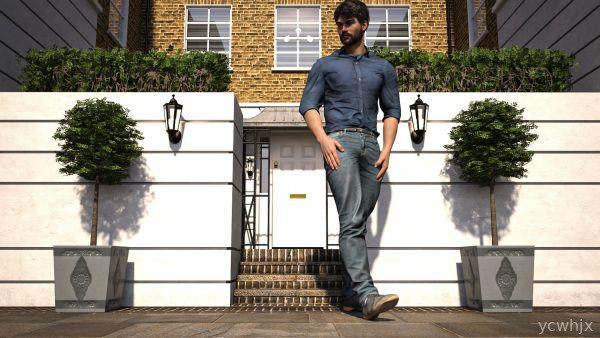
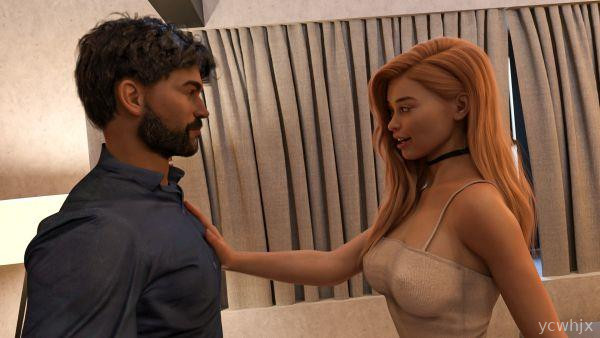
Derealization Game
Late at night or during a quiet commute, a slow, strange story game can be more interesting than scrolling through social media. Derealization leans into that mood, dropping you into a world that feels slightly off, where familiar places and people do not behave the way they should. Instead of rushing you with timers and leaderboards, it gives space to notice details and piece together what is really going on.
Most players will treat it like a short narrative experience, something you pick up for a chapter or two and then think about afterward. The focus sits on atmosphere, fragments of dialogue, and the unsettling sense that reality is slipping at the edges. Expect more reading and exploring than action, and a pace that rewards paying attention rather than speed.
Derealization Game Features
Fragmented narrative → The story comes in pieces, asking you to connect scenes and clues rather than spelling everything out.
Psychological tone → Events feel slightly distorted, mirroring the feeling of being detached from your surroundings.
Exploration-focused design → Progress comes from checking locations, talking to characters, and noticing small environmental hints.
Minimal interface → The screen stays mostly clear, letting the visuals and text carry the mood without heavy UI clutter.
Short-session friendly → Scenes are compact, so you can play for a few minutes at a time without losing track of the plot.
Offline availability → Once installed, the core experience can usually be enjoyed without staying constantly online.
Derealization Game Highlights
1. Distorted everyday settings: Ordinary rooms, streets, and objects feel slightly wrong, which keeps you looking twice at each scene.
2. Subtle horror elements: Tension comes more from atmosphere and implication than from jump scares or loud effects.
3. Character-driven moments: Conversations and inner thoughts hint at past events and mental states rather than giving clean answers.
4. Slow-burn pacing: The game takes its time, making it better suited to players who like to sit with a story instead of rushing through.
5. Focus on mood over mechanics: There are fewer complicated systems to learn, so attention stays on how the world feels and changes.
6. Compact download size: The package is relatively light, which helps on phones with limited storage space.
Derealization Gameplay
Often you move through scenes, interact with highlighted objects, and read the protagonist’s thoughts as the environment shifts around them.
Sometimes choices in dialogue or interaction slightly alter what you see next, encouraging a second run to notice different details.
Usually progress means revisiting familiar areas that now look or feel different, reinforcing the sense that reality cannot be trusted.
Just paying attention to background sounds, lighting, and small visual glitches can make the story clearer than the spoken or written lines.
After a few chapters, patterns in the imagery and repeated phrases start to hint at what the character is really experiencing.
From what many players report, older or very low-end devices might show occasional stutter when loading new areas, so reducing background apps can help.
Derealization Conclusion
Derealization suits players who like slow, unsettling adventures that focus on mood and interpretation rather than action. Short, dense scenes make it easy to play in bed, on the bus, or during a break, and the psychological angle gives you something to think about between sessions. It works best for those who enjoy piecing together fragmented stories and do not mind a bit of ambiguity in how everything fits together.







No comments yet. Be the first to share your thoughts!