

Nano-control
Screenshots
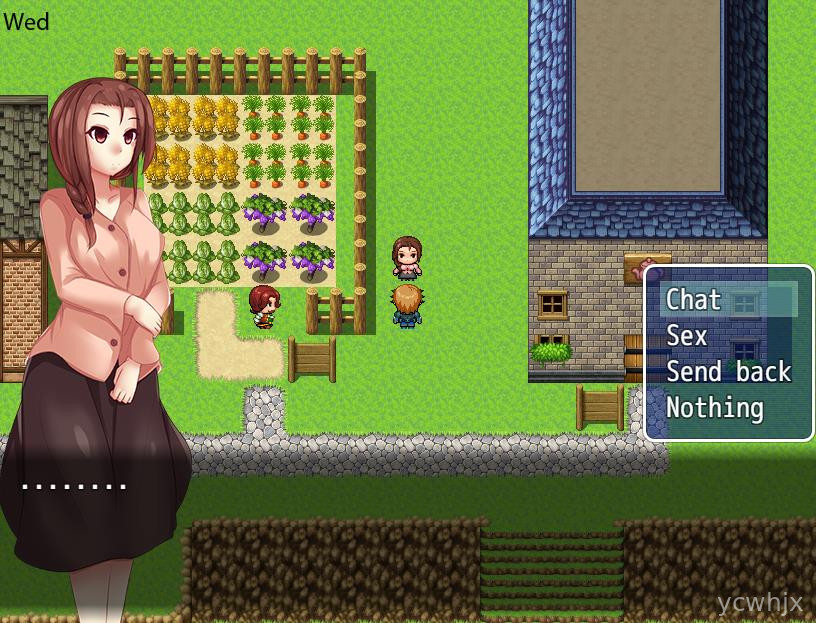
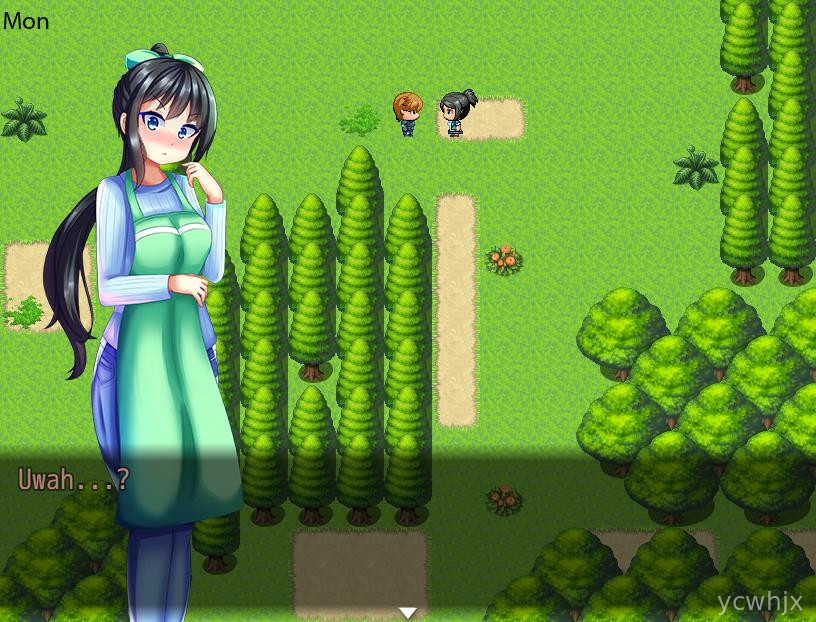
Nano-control Game
Sometimes you just want a slow-burn game you can check between messages or before bed, where progress comes from small decisions rather than frantic tapping. Nano-control leans into that style, giving you a management-focused experience built around a compact world you can shape over time.
Most sessions last a few minutes as you tweak routines, adjust resources, and watch characters react to your choices. It feels closer to running a tiny simulation than playing a fast action title, which suits people who like planning and quiet progression.
Nano-control Game Features
Core management loop → The game revolves around monitoring a small environment and making adjustments that slowly change how characters behave and how resources flow.
Progressive unlocks → New options, areas, or interactions open up as you keep playing, so early simple decisions later connect into more complex routines.
Character interactions → Different characters respond in their own way to your setup, so the same layout or routine can lead to different outcomes depending on who is involved.
Light story elements → Small narrative bits and dialogue appear as you progress, giving context to why you are managing this tiny space and what your changes actually mean.
Touch-friendly controls → Menus and actions are designed around taps and swipes, so you can comfortably play one-handed on a phone without wrestling with tiny buttons.
Nano-control Game Highlights
1. Compact sessions - The structure works well for five to ten minute breaks, where you can tweak a few settings and then leave the simulation to run.
2. Gradual complexity - Early play feels straightforward, but systems layer on top of each other over time without overwhelming you in the first hour.
3. Sense of ownership - Watching a world you set up slowly shift and stabilize gives a low-key but satisfying feeling of control.
4. Low hardware demands - From what many users report, it runs reasonably on mid-range phones, though very old devices may stutter when many elements are active.
5. Minimal pressure - There is more focus on experimenting and adjusting than on strict fail states, so mistakes usually feel like learning rather than punishment.
Nano-control Gameplay
Usually you start by observing the initial setup, checking how characters move, what they use, and where resources are going before changing anything. That first look helps you spot obvious bottlenecks or wasted space.
After that, you begin adjusting routines, moving objects, or changing priorities to guide behavior. Small tweaks often have noticeable effects, so it pays to change one thing at a time rather than scrambling everything at once.
As you unlock more options, you often revisit older decisions, refining layouts and schedules so the whole system runs smoother. The loop becomes: watch, adjust, wait, and then watch again to see what actually changed.
On longer sessions, players tend to chase specific goals such as stabilizing income, unlocking a new area, or nudging characters toward particular outcomes, which gives structure beyond simple tinkering.
One downside is that some stretches can feel slow if you are waiting on timers or gradual resource gains, so it suits people who do not mind a more patient pace.
Nano-control Conclusion
Nano-control suits Android players who enjoy quiet management and simulation more than fast reaction challenges. Short check-ins, a growing set of tools, and a focus on watching systems evolve make it a good fit for commutes, lunch breaks, or winding down at night, as long as you are comfortable with a slower, more deliberate style of progression.









No comments yet. Be the first to share your thoughts!