

Elsaverse: Past, Present, and Future
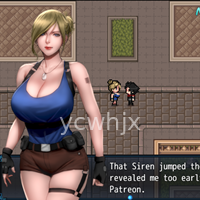
Screenshots




Elsaverse: Past, Present, and Future Game
On a quiet evening or during a long commute, a slow-burn story game can be a nice change from fast, noisy action titles. Elsaverse: Past, Present, and Future leans into that idea, giving you time to read, choose, and see how characters react instead of constantly tapping under pressure.
Most of the experience revolves around following a narrative, meeting characters, and deciding what kind of relationships and outcomes you want. Sessions can be short, so it works well for quick breaks, but the choices stack up over time and shape how the story world reacts to you.
Elsaverse: Past, Present, and Future Game Features
Branching story paths → Choices at key points send the narrative down different routes, so replays can show new scenes and dialogue.
Character-focused storytelling → The game stays close to its cast, building tension through conversations, small decisions, and shifting dynamics.
Past, present, and future timeline → Events across different time frames connect together, letting you see how earlier moments influence later outcomes.
Dialogue-driven progression → Reading and responding to dialogue is the main way to move forward, with minimal mechanics getting in the way.
Multiple endings → Different combinations of choices can lead to varied conclusions, from satisfying resolutions to more bittersweet results.
Touch-friendly interface → Simple taps to advance text or pick responses make it easy to play one-handed on a phone.
Elsaverse: Past, Present, and Future Game Highlights
1. Relaxed pacing: The game does not rush you, which suits late-night sessions or times when you want something calmer than action titles.
2. Choice impact: Decisions may not show results immediately, but later scenes often reference what you picked earlier, adding a sense of continuity.
3. Story-centric design: There is almost no grinding or complex resource systems, keeping attention on the plot and characters.
4. Replay value: Players who enjoy testing different routes can revisit chapters to see alternate reactions and endings.
5. Mobile-friendly size: Visual novel style usually keeps performance demands modest, making it more forgiving on older or mid-range phones.
6. Occasional slow moments: Some stretches can feel wordy, so anyone looking for constant action may find the pacing too gentle.
Elsaverse: Past, Present, and Future Gameplay
Usually you read through scenes, watch character interactions unfold, and tap to move the text forward at your own rhythm.
Often the game presents you with two or more dialogue options, and you pick the response that best fits the personality or outcome you want.
Sometimes a choice will subtly influence how a character treats you later, so paying attention to tone and context can change the feel of future scenes.
Just progressing through chapters in order lets you see how the past, present, and future pieces fit together without needing any special strategy.
After finishing one route, starting again with different decisions can reveal new scenes that were hidden the first time through.
On longer sessions, players may notice that reading-heavy segments require some patience, especially on smaller screens where you scroll more often.
Elsaverse: Past, Present, and Future Conclusion
Elsaverse: Past, Present, and Future suits Android players who prefer reading-driven games and quiet decision-making over fast reflexes. The branching routes, character focus, and timeline shifts offer enough variety to keep story fans engaged, while the simple controls make it easy to pick up for short breaks. It works best for people who enjoy visual novels, are comfortable with slower pacing, and like seeing how small choices gradually shape a wider narrative.








No comments yet. Be the first to share your thoughts!