

Kin
Screenshots


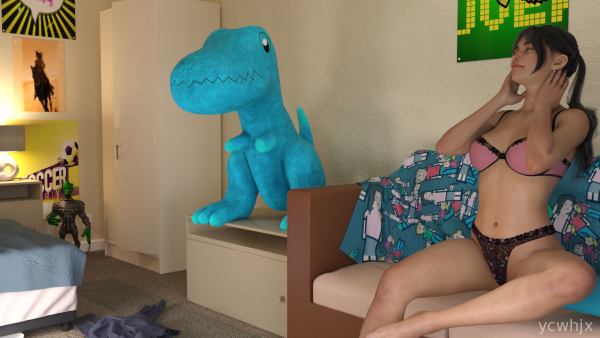
Kin Game
On days when you only have a few spare minutes between chores or before sleep, long and complex mobile games can feel like a chore. A short, focused experience like Kin works better when you just want a small story beat and a bit of interaction without needing a full guide or a long session.
From the first launch, the game keeps things simple: a small world, a clear direction, and straightforward actions. Most of the time you are just moving, reacting, and watching how the world responds, which makes it easy to pick up after a break.
Kin Game Features
Minimalist world design → A clean, stripped-down environment keeps your attention on movement and atmosphere instead of cluttered HUD elements.
Simple touch controls → Basic taps and swipes are enough to move around and interact, so there is no steep learning curve.
Short play sessions → Levels and moments are compact, making it suitable for quick breaks rather than hour-long runs.
Atmospheric presentation → Subtle audio and visual cues help set the mood without needing long cutscenes or heavy dialogue.
Light narrative thread → A loose story runs in the background, giving context to what you do without overwhelming you with text.
Kin Game Highlights
Just noticing how the environment reacts as you move around becomes part of the fun, especially when small changes appear after simple actions.
Often the game feels more like a quiet walk than a stressful challenge, which can be a relief after using more intense apps all day.
Sometimes the slower pace makes it easier to play with one hand while commuting or waiting in a line, since there is no rush to react.
Usually the straightforward structure means you can stop at almost any point and return later without forgetting what you were doing.
Kin Gameplay
1. Basic movement: You guide your character through compact areas, focusing on direction and timing rather than complex combos.
2. Environmental interaction: Small elements in the world can be triggered or passed by in different ways, leading to subtle changes or progress.
3. Pacing and rhythm: The game leans on gentle progression, so you advance by steadily exploring rather than grinding or repeating the same task.
4. Trial and adjustment: When something does not work, you usually just try a slightly different path or timing instead of dealing with long failure screens.
5. Session flow: A quick session might be only a few minutes of exploration before you put the phone away, which suits people who play in short bursts.
Kin Conclusion
Kin suits players who prefer a calm, compact experience over fast action and complex systems. The game works well on commutes, short breaks at work, or winding down before bed, when you want a gentle bit of interaction without pressure. On older or very low-end devices, some scenes may feel a little sluggish, but for most modern phones it should run smoothly enough for casual play.










No comments yet. Be the first to share your thoughts!