
Navigating The Rift
Screenshots
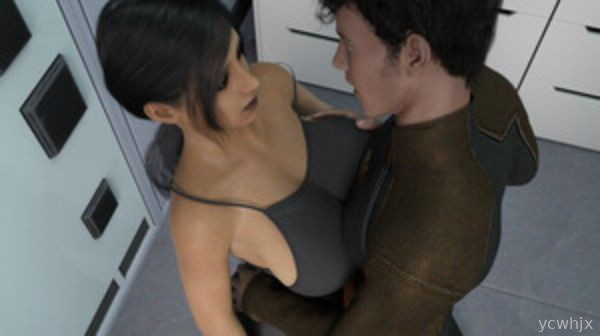
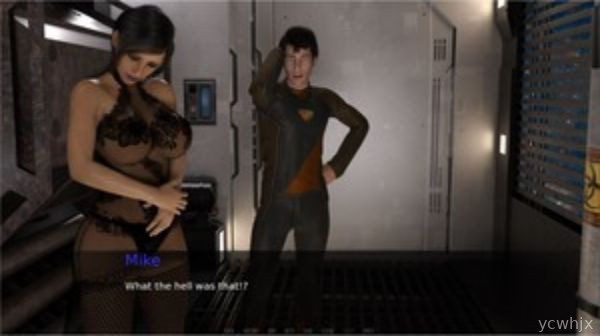
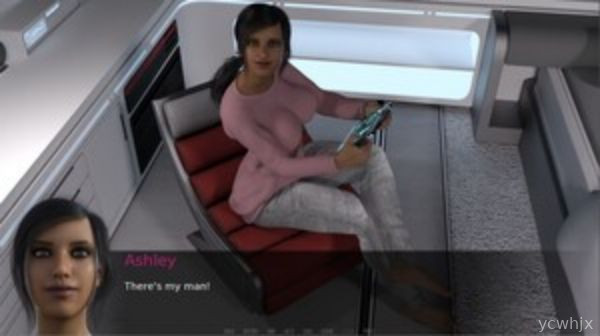
Navigating The Rift Game
Some games are all about stress and sweaty matches, and then there are the ones you open late at night just to wander around and get lost in the story. Navigating The Rift leans hard into that second vibe, with a slow-burn adventure feel that’s more about exploring and paying attention than mashing buttons.
From the first few minutes you can tell it wants you to look around, read, listen, and piece things together instead of rushing through. It feels a bit like stepping into a strange in‑between world and trying to figure out what exactly went wrong there.
Navigating The Rift Game Features
Just lets you explore strange rift locations at your own pace, poking into corners and checking out details without a strict timer breathing down your neck.
Often throws small story choices at you, so conversations and decisions slightly bend how scenes play out and how characters react.
Lets you follow a narrative that feels more like a weird sci‑fi / fantasy mystery than a typical action quest, with bits of lore scattered around.
Gives you simple controls that work fine on touch screens, so you’re mostly focusing on where to go and what to interact with instead of fighting the UI.
Sometimes shifts the atmosphere with sound and lighting changes, making the rift feel unstable and a bit unsettling without going full horror.
Usually keeps sessions short and digestible, making it easy to jump in for a chapter or two between other stuff in your day.
Navigating The Rift Game Highlights
⭐ Atmospheric worldbuilding: The rift areas feel broken and out of place, with visuals and audio that sell the whole “between worlds” concept.
⭐ Story-first approach: Combat and grinding take a back seat, so the focus stays on characters, dialogue, and the weird situation you’re stuck in.
⭐ Choice-driven moments: Little decisions, like who you trust or what you investigate, give the game some replay value and personal flavor.
⭐ Relaxed pacing: Great for players who like to read and think instead of speedrunning everything; you’re not constantly punished for taking your time.
⭐ Mobile-friendly design: UI elements, text size, and touch zones are mostly tuned for phones, so it’s playable even on smaller screens.
⭐ Offline-friendly sessions: Once installed, it feels like something you can enjoy during commutes or flights without needing a constant connection.
⭐ Minor rough edges: Expect some early-version quirks like slightly stiff animations or occasional awkward transitions between scenes.
Navigating The Rift Gameplay
Exploration → You move through fragmented environments, checking paths, doors, and interactive objects to slowly map out what’s going on in the rift.
Dialogue and choices → Conversations pop up with multiple responses, and you pick how your character reacts, shaping the tone of your journey.
Light puzzle moments → From time to time you’ll need to notice patterns, remember details, or trigger things in the right order to keep progressing.
Story progression → Each area you clear usually pushes the narrative forward, revealing more about the rift, the people trapped in it, and your own role.
Resource and time awareness → While it’s not hardcore survival, you still pay attention to where you’ve been, what you’ve collected, and which routes you’ve left unexplored.
Session-based play → It works well in short bursts: finish a scene, hit a checkpoint, close it, then come back later without feeling lost.
Navigating The Rift Conclusion
Navigating The Rift feels like one of those low-key adventure games you keep installed for quiet evenings, when you’d rather read a strange story than spam attack buttons. The atmosphere is the main hook, and even though some parts can feel a bit rough or slow, there’s a charm in piecing together its broken world at your own speed. Fans of narrative-heavy, slightly weird exploration games on Android will probably get the most out of it, especially if they prefer a free, story-focused experience over flashy action.








No comments yet. Be the first to share your thoughts!