

Childhood Drama
Screenshots
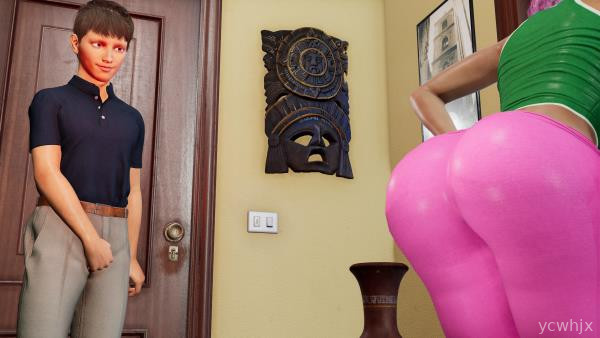
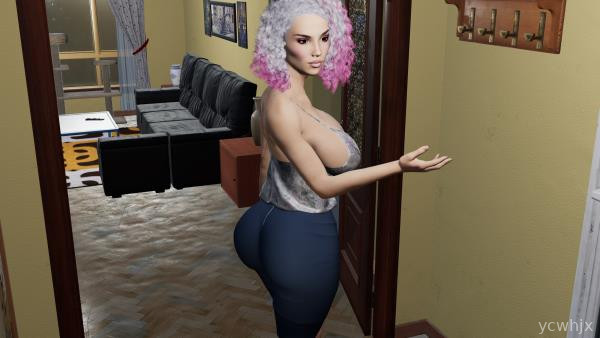

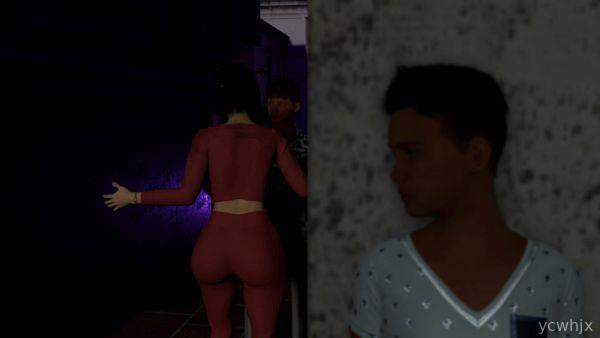
Childhood Drama Game
On a quiet evening or during a long commute, a slow-paced story game can be easier to handle than a fast action title. Childhood Drama leans into that idea, focusing on dialogue, choices, and character moments rather than reflex-heavy gameplay.
Most people will treat it like a digital storybook with interaction, playing a few scenes at a time and then coming back later to see where the plot goes next.
Childhood Drama Game Features
Branching choices → Dialogue options and decisions change how scenes play out and which events you see later on.
Character-focused storytelling → The game keeps the cast small so you can follow their relationships and conflicts without getting lost.
Simple tap controls → Progressing text, making choices, and moving through scenes only needs basic taps, so it works fine even on smaller screens.
Scene-based structure → The story is split into short segments, making it easy to pause after a chapter and resume when you have time.
Lightweight visuals → Graphics focus on characters and backgrounds rather than heavy effects, which helps older phones handle it more smoothly.
Childhood Drama Game Highlights
1. Story-driven design: Everything revolves around dialogue, flashbacks, and emotional tension rather than grinding or resource management.
2. Choice impact: Some decisions only tweak a line or reaction, while others can shift the direction of future scenes and endings.
3. Relaxed pacing: Reading speed sets the tempo, so there is no pressure from timers or quick-time events.
4. Replay potential: Different choices encourage a second run to see alternative scenes and outcomes.
5. Mobile-friendly length: Sessions can be as short as a few minutes, which suits quick breaks at work or school.
Childhood Drama Gameplay
Often you just read through conversations, watch how characters respond to each other, and tap when you are ready to see the next line.
Sometimes the game pauses on a decision, asking you to pick between responses that can soften a conflict, escalate an argument, or steer a relationship in another direction.
Usually you move from one scene to the next in a linear order, but the content of those scenes can shift based on what you picked earlier.
Just expect minimal traditional "game" systems: there are no complex inventories, combat mechanics, or resource bars to manage.
From what many players will notice, the main downside is that reading-heavy sections can feel slow on days when you want quick action, and text speed or font options may feel limited on very small screens.
Childhood Drama Conclusion
Childhood Drama suits Android users who prefer quiet, story-first games that fit around daily routines. Short scenes, straightforward controls, and character-driven writing make it practical for evening play or bus rides, as long as you are in the mood to read rather than chase high scores.




![Lust’s Cupid [v0.7.1]](https://image.ycwhjx.com/image/20260630/23bcd5a942c2a4a92a9c10a0968e49e5.jpg)



No comments yet. Be the first to share your thoughts!