

Star Periphery
Screenshots
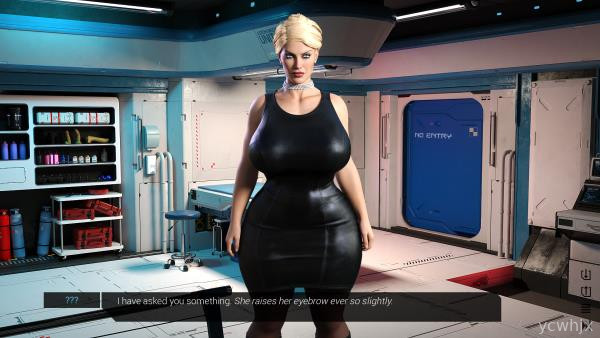
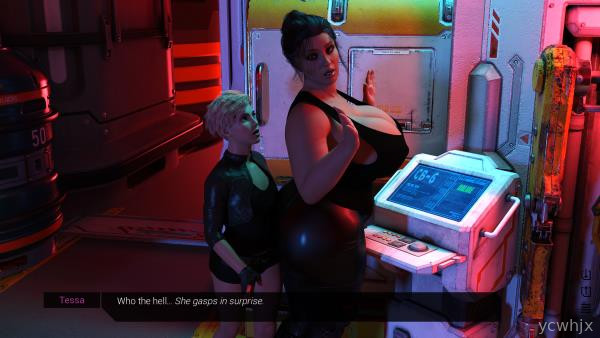

Star Periphery Game
On a quiet commute or just before bed, a slow-paced strategy game can be a good way to unwind. Star Periphery leans into that idea with a space setting where you focus more on planning than on twitch reactions, making it suitable for short sessions on a phone.
Most of the time you are dealing with ships, sectors and resources rather than constant action, so it suits players who like to think through their next move. From what I have seen, the game aims to give a light 4X-style feel but in a more compact mobile format.
Star Periphery Game Features
Sector management → Control different areas of space, decide where to expand and which zones to defend as your influence grows.
Fleet building → Assemble and upgrade ships, choosing combinations that balance attack power, defense and utility roles.
Resource control → Gather and spend resources on research, construction and maintenance, forcing you to prioritise what matters most.
Tech progression → Unlock new technologies over time, gradually improving ship stats, structures and strategic options.
Touch-friendly interface → Menus and maps are laid out for taps and swipes, keeping most actions reachable with one hand.
Offline-friendly structure → Missions and turns are designed to be played without needing to stay online constantly.
Star Periphery Game Highlights
1. Space map overview: A clear galactic map helps you see borders, fleets and potential targets at a glance.
2. Gradual difficulty curve: Early stages stay forgiving while you learn the basics before adding more demanding encounters.
3. Short mission format: Many tasks can be finished in a few minutes, which works well for breaks or quick evening play.
4. Ship variety: Different ship types offer distinct roles, so your fleet setup can match your preferred playstyle.
5. Strategic trade-offs: You often choose between strengthening defenses, pushing expansion or investing in research.
6. Mobile optimisation: The game generally runs smoothly on mid-range devices, though older phones may slow down when many units are on screen.
Star Periphery Gameplay
Usually you start by checking the sector map, seeing where your borders are thin and which neighboring zones look profitable to claim next.
Often the next step is to adjust your fleet, swapping ships in and out so you are not overspending on upkeep for battles you do not need.
Players then send fleets to capture or defend sectors, watching timers and travel routes to avoid leaving key areas exposed.
Research choices come up regularly, so you decide whether to boost raw combat power, improve resource gain or unlock new ship options.
During longer sessions, many people cycle between upgrading structures, queuing research and launching a few targeted engagements.
Notifications and prompts can feel a bit frequent, so it may be worth turning them down in settings if you prefer a quieter experience.
Star Periphery Conclusion
Star Periphery suits players who enjoy planning out moves in a sci fi setting without needing to sit for long stretches. The focus on sectors, fleets and resources gives it a light strategy feel that works well on Android, especially for commutes and short breaks. It fits best for those who like steady progress and map control rather than constant action.









No comments yet. Be the first to share your thoughts!