

What Could Have Been
Screenshots


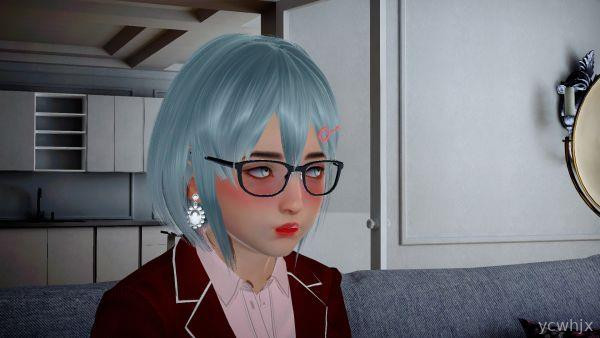

What Could Have Been Game
Quiet evenings, commutes, or breaks at work are often when people reach for short story games that do not need fast reactions but still feel personal. What Could Have Been fits that gap with a compact, choice-driven experience that plays more like an interactive short film than a traditional game.
Most of the time is spent reading, picking dialogue options, and seeing how a small decision nudges the tone of a scene. Sessions are short, so it works well when you only have ten or fifteen minutes and want something more thoughtful than another endless runner.
What Could Have Been Game Features
Branching dialogue → Choices in conversations gently shift how characters respond and how scenes feel.
Story-focused design → Gameplay centers on reading, timing of choices, and following an emotional thread rather than on reflex-based challenges.
Multiple outcomes → Different routes and endings encourage replaying to see how alternate decisions play out.
Compact experience → A relatively short runtime makes it easy to finish over a few evenings without feeling dragged out.
Offline play → Once installed, the game can be enjoyed without a constant internet connection, which suits travel or low-signal areas.
What Could Have Been Game Highlights
Just letting the dialogue unfold at its own pace creates a slower, more reflective mood than most mobile games.
Often the small, quiet choices feel more important than any big twist, which makes the story stick with you after you close the app.
Sometimes the minimal interface helps you focus purely on the writing and character moments instead of on UI clutter.
Usually a full run does not take long, so replaying specific branches never feels like a chore.
Reading in portrait mode works well on phones, so it is comfortable to play one-handed while lying down or riding a bus.
What Could Have Been Gameplay
1. Read scenes: You move through the story screen by screen, following conversations and internal thoughts.
2. Choose responses: At key points, you pick from a few dialogue or action options that subtly steer the interaction.
3. Watch consequences: Later scenes reflect earlier decisions, sometimes in small lines of dialogue, sometimes in more noticeable shifts.
4. Replay branches: After one ending, you can go back, make different choices, and see alternate outcomes without needing heavy grinding.
5. Play at your pace: There are no timers or complex controls, so you can pause mid-scene and return when convenient.
What Could Have Been Conclusion
What Could Have Been suits players who prefer reading and quiet reflection over fast-paced action. The focus on dialogue, modest length, and replayable branches make it a good fit for anyone who likes visual novels or interactive stories they can finish in a few sittings.






No comments yet. Be the first to share your thoughts!